Eastern Europe
Exploring the Hidden Europe in 2004 and 2008-2011
In 2004, I visited all 25 countries in Eastern Europe. You'll find the blog entries from that trip here. In 2008-2011, I returned to see what had changed since that time. With these two visits, five years apart, I accumulated enough material for my 750-page book, The Hidden Europe: What Eastern Europeans Can Teach Us.
This blog now has many excerpts from The Hidden Europe. But who the hell reads anymore? Just look at the best photos from Eastern Europe!
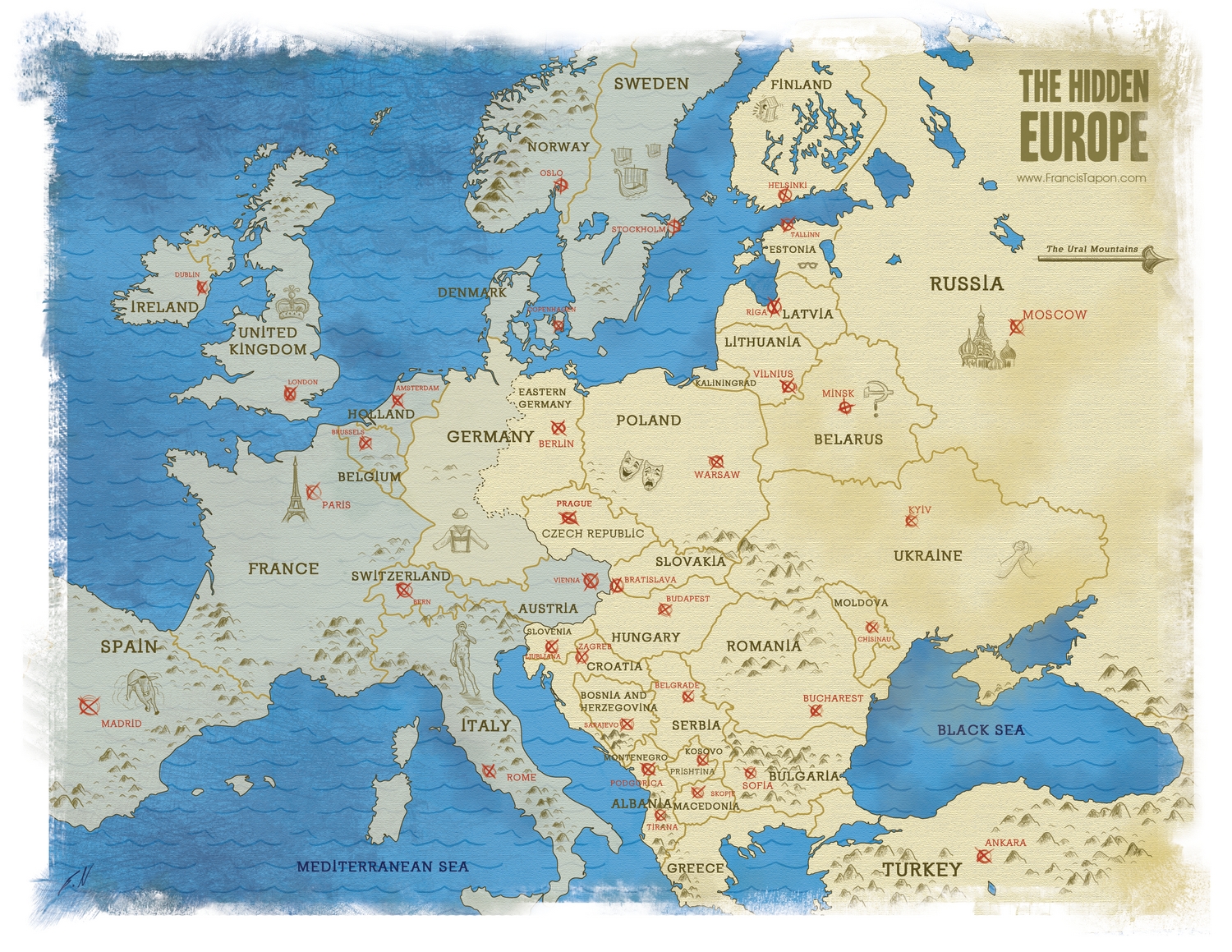
This map reflects how I define Eastern Europe. Eastern Europeans love to deny that they're in Eastern Europe. I tackle how and why I define Eastern Europe the way I do in the Introduction of The Hidden Europe.
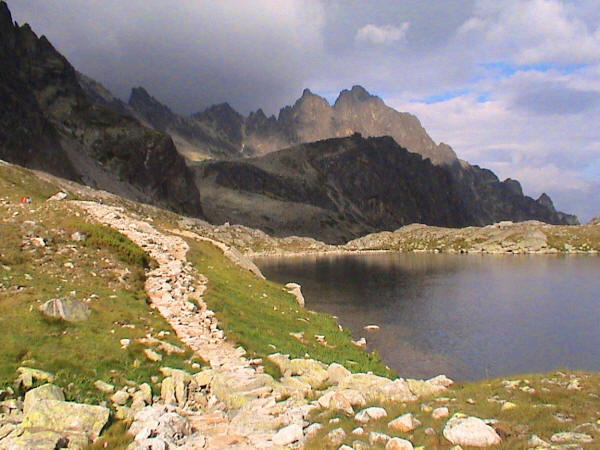
Guest post by Jules Bukovsky
Have you heard about the turmoil at the Białowieża National Park in Poland? As nature lovers gather to protect the most precious forest on the continent, I was reminded of Poland’s natural riches that never receive that much attention.
What we witness today is nothing new. Poland’s natural landscape has intersected with politics, economy, and culture on many occasions.
My travels throughout Poland and its national parks taught me more about the country than I expected. Here’s what I learned about Poland while exploring its natural landscape.
1. Białowieża National Park
Tucked into the northeastern corner of Poland, the Białowieża National Park was established to protect the primeval parts of the Białowieża Forest, the last natural forest that has covered the area for the last 12,000 years.
The forest maintained its primeval character until the Middle Ages and for centuries inspired Polish kings’ protection as a truly special place.

After the Second World War, Poland was close to losing the forest to the Soviet Union. Some claim that during a meeting with Joseph Stalin, the Polish prime minister seized an opportunity when Stalin wasn’t looking to draw a red line on the map and divide the forest between countries.
The only Polish natural property designated by UNESCO as a World Heritage Site, the park is home to the largest European land mammal, the European bison called żubr. If you ever find yourself in the area, follow the trails and you might spot one or even an entire herd yourself. By the way, many people prefer to go there on a guided tour, which also includes a transfer, lunch, entrance tickets and an accompanying guide.
2. Stołowe Mountains
Created in 1993, the park is located in the Kłodzko Basin of the Stołowe Mountains, the only Polish example of mountains composed of horizontally layered sandstone plates. It’s thanks to the gradual erosion of these plates over millions of years that the park developed its unique landscape, becoming a real treat for the eyes.
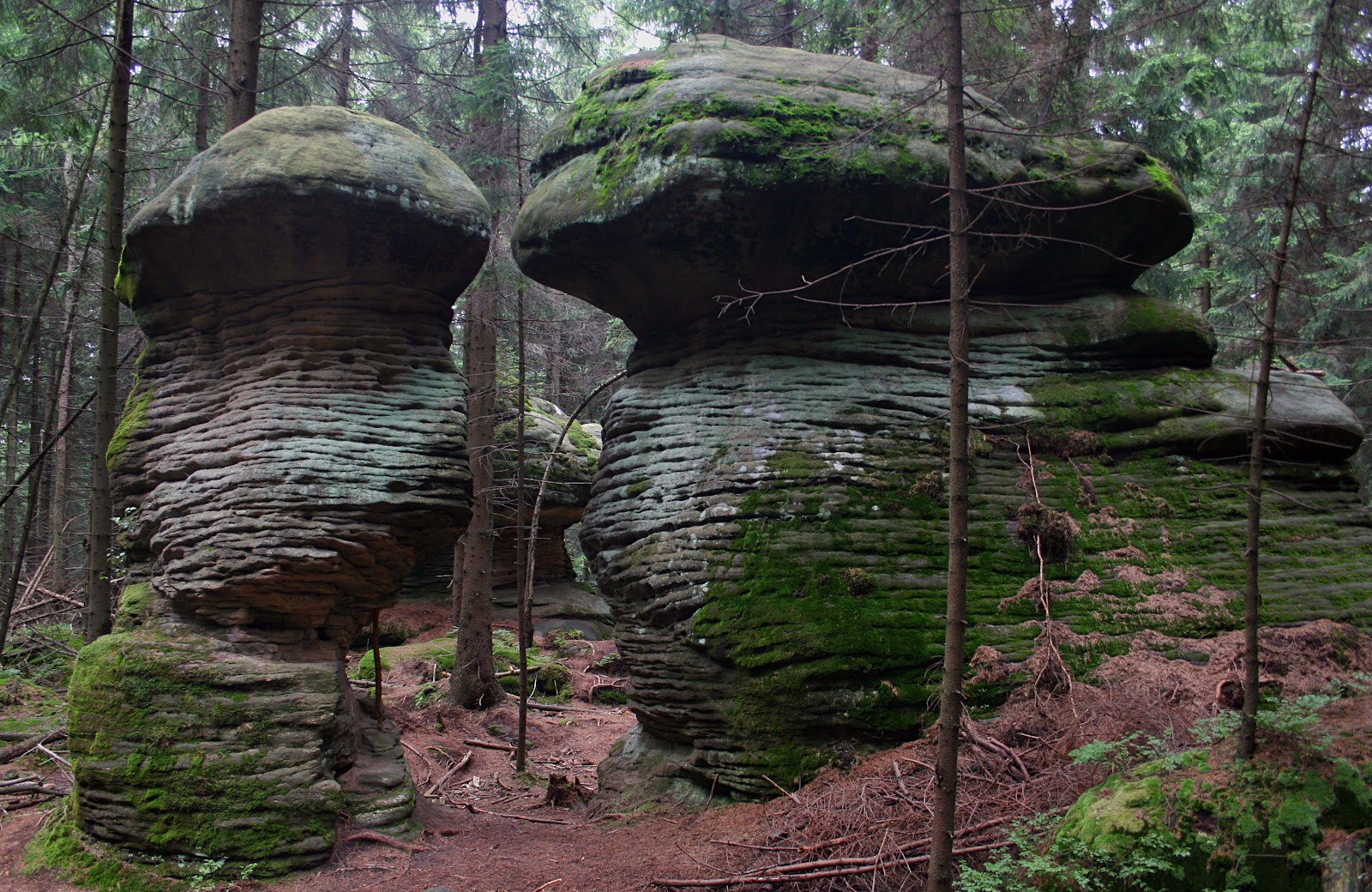
The rocky labyrinth called Błędne Skały (Errant Rocks) definitely lives up to its name, as following the path can be really disorienting. The park’s sandstone formations are just spectacular, and some of them even have names: Kwoka (Hen), Małpa (Monkey), Głowa Konia (Horse Head), or Fotel Pradziada (Great Grandfather’s Armchair).
The best way to explore the park is following one of the many hiking trails. If you’re an avid biker, there’s one cycling path available as well. The park is made for traveling families with children.
3. Roztocze National Park
Covering the central part of the Roztocze Mountain Range, the park is a mixture of mountain slopes, beech and fir forests, and sparkling Wieprz and Tanew rivers that gently flow through the landscape.
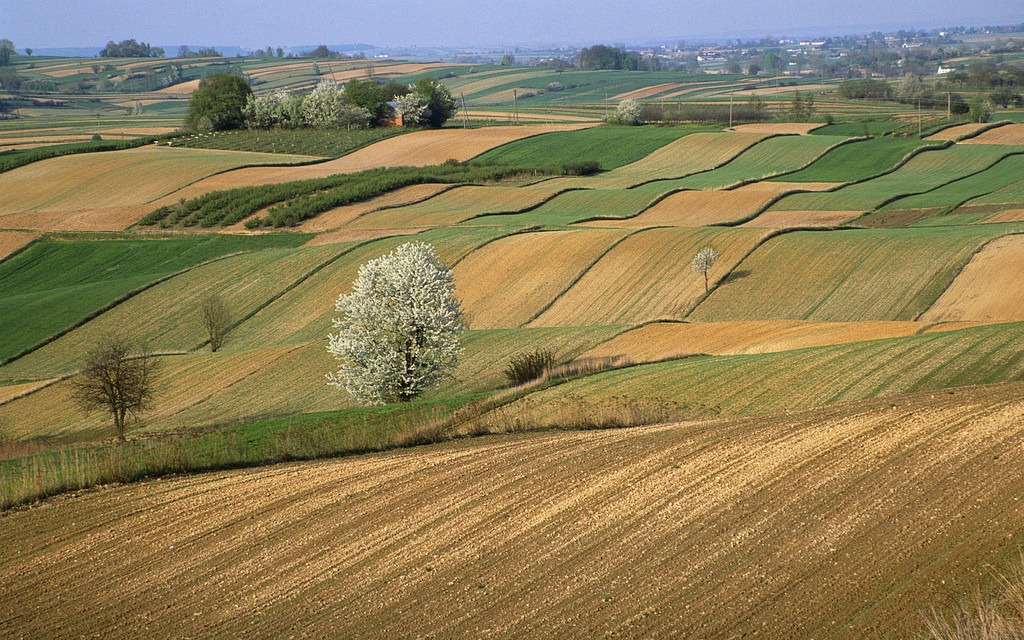
The Roztocze National Park boasts a stunning number of bird species that amounts to 190, just perfect if you’d like to channel your ornithological passion. Families visiting the park should definitely have a look at farms that breed a cute Polish breed of miniature horses called Tarpan.
4. Tatra National Park
Located on the Polish-Slovak border, the Tatra Mountains are a majestic range protected by two neighboring national parks. I visited the Polish part frequently as part of my trips to the relaxing spa town Zakopane.
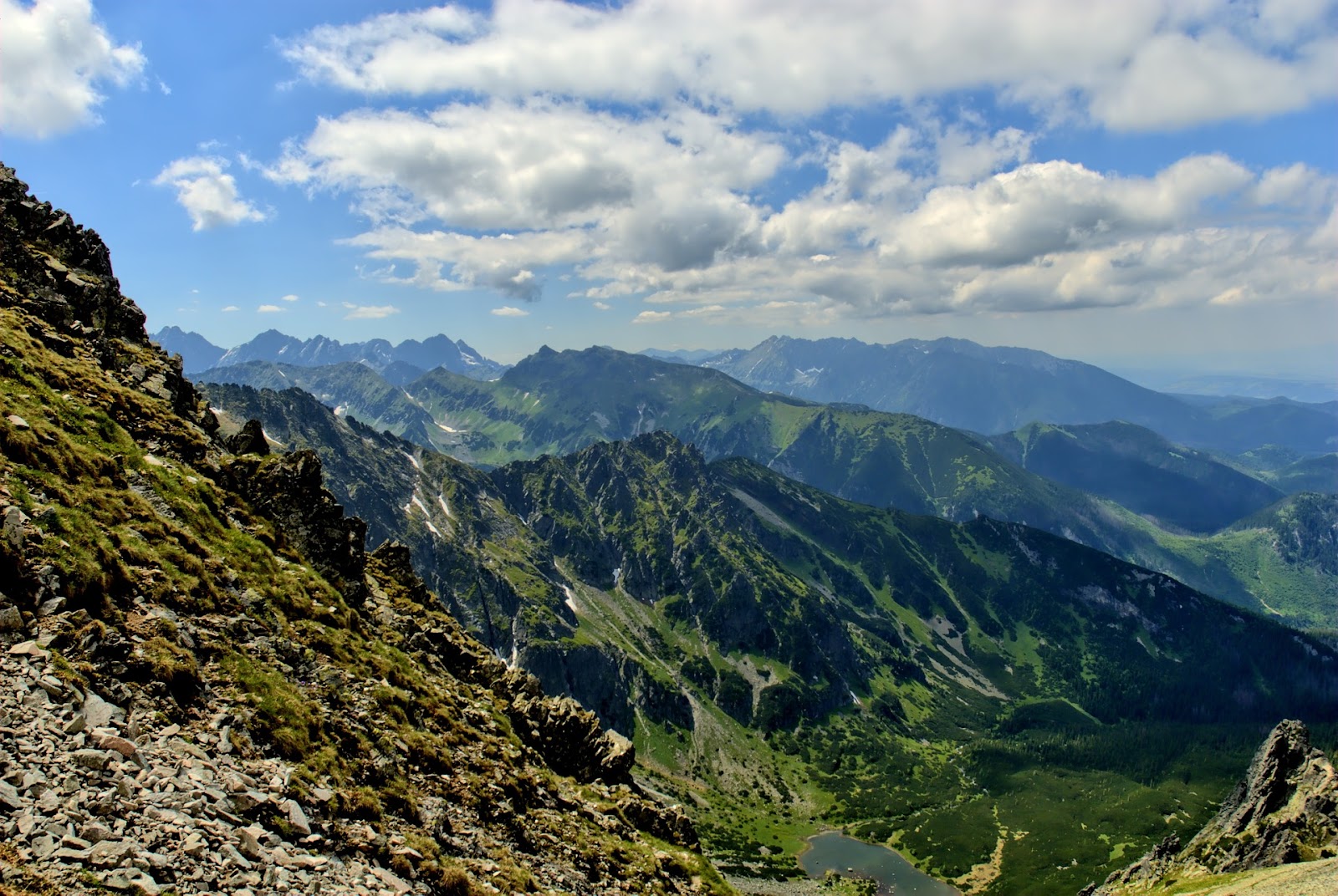
Top activities in Zakopane:
The history of these national parks was shaped by this specific location. The Polish national park in Tatra was created in 1888, but the former Polish Commonwealth was at the time partitioned by Central European empires and the Tatra Mountains belonged to the Habsburg Empire.
That’s why both Slovak and Polish citizens took such care in promoting the mountains as part of their national landscape. The creation of a national park in Tatra was a politically-charged move.
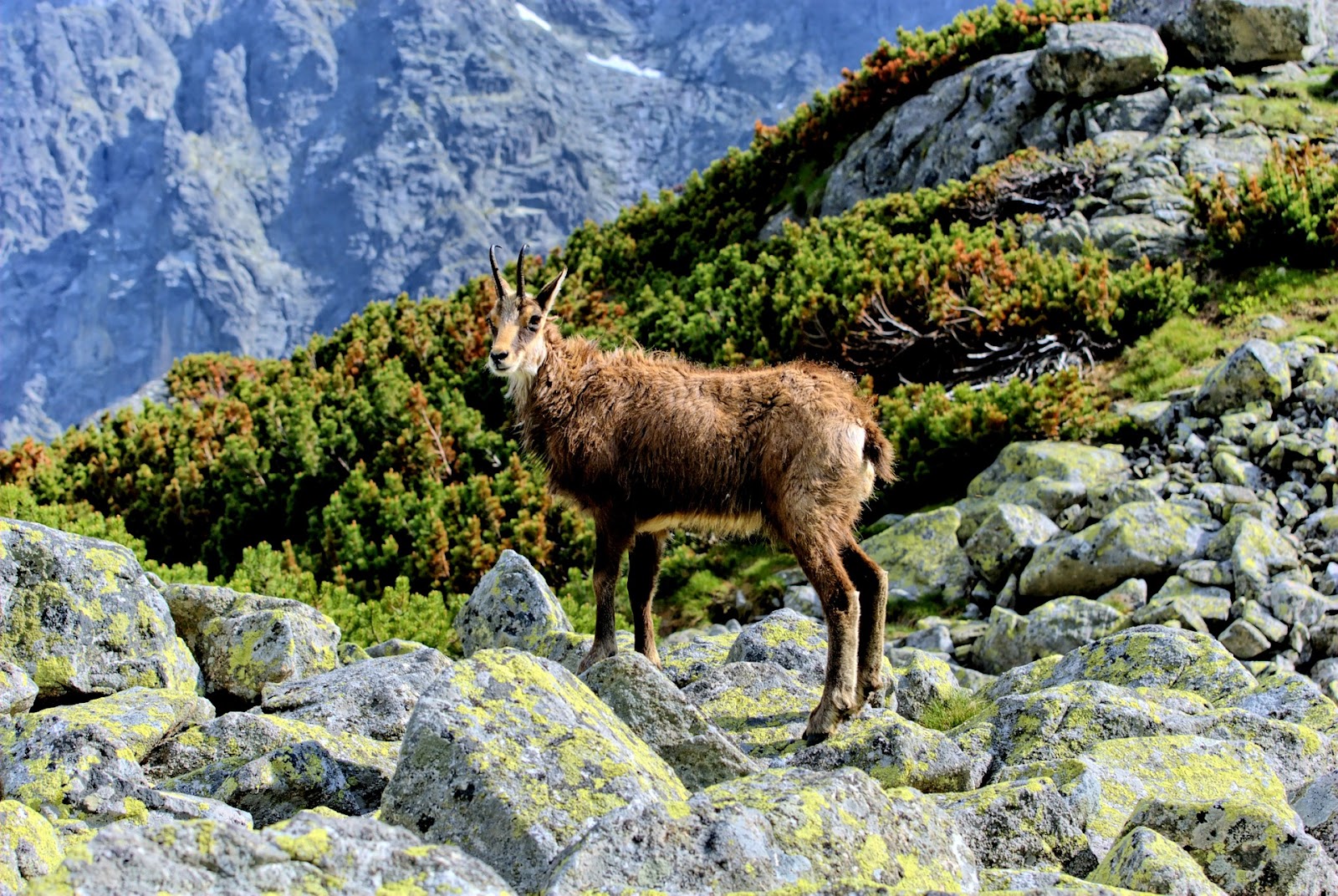
Today, both parks are UNESCO Biosphere Reserve under the binational Polish-Slovak management. The parks were founded separately, but the cooperation regarding issues like wildlife conservation and tourism was in place since the 1950s.
It’s worth to explore this transboundary landscape by following trails that take you to various peaks and fully admire the complexity of Tatra.
5. The Biebrza National Park
That’s the largest national park in Poland and a major natural expanse of peat bogs and aquatic bird habitats in Europe. The marshes are home to rare species of European aquatic birds (we’re talking some 265 different species). Bird-watching is a real thing here – there’s a number of special viewing platforms along the Biebrza river that help enthusiasts in wildlife spotting.
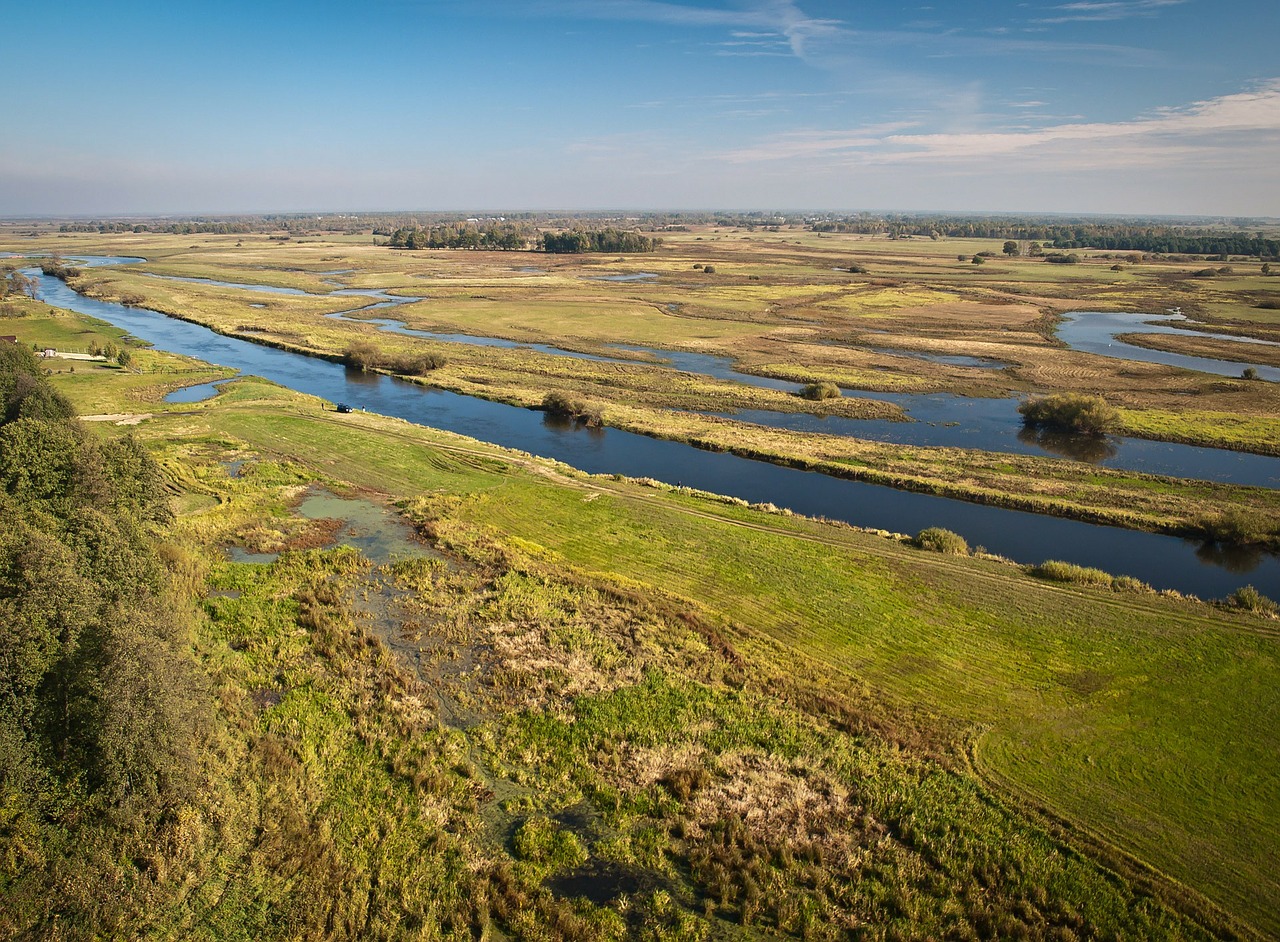
Visitors can follow one of the many hiking trails or get into a boat and enjoy a different perspective on the park while exploring one of the two accessible waterways – the park has boat hire facilities and campsites as well.
6. Bieszczady National Park
In the heart of the southernmost part of Poland, you’ll find the Bieszczady mountains and a large national park. It’s part of the East Carpathian International Biosphere Reserve, the first UNESCO reserve spread across three different countries (other parts belong to Ukraine and Slovakia).

Following various picturesque trials, you might spot wolves, lynxes, bears, or even an occasional bison. That’s right – the park boasts a growing herd of bison. Kids will be delighted to visit one of the Hucul horse farms.
What I found particularly interesting about that park is its remoteness. Escaping to Bieszczady is a common fantasy among Polish yuppies for a reason. It’s really easy to disappear in this landscape.
A friend told me that some inhabitants of the area had no idea the Second World War was over until as late as the 1950s!
7. Magurski National Park
Found in the central part of the Lower Beskid Range, Magurski National Park is a stretch of forest landscape with the dominating Mount Magura Wątkowska. Wandering through its dome-like hills, cut around with small stream valleys and rivers was very relaxing.
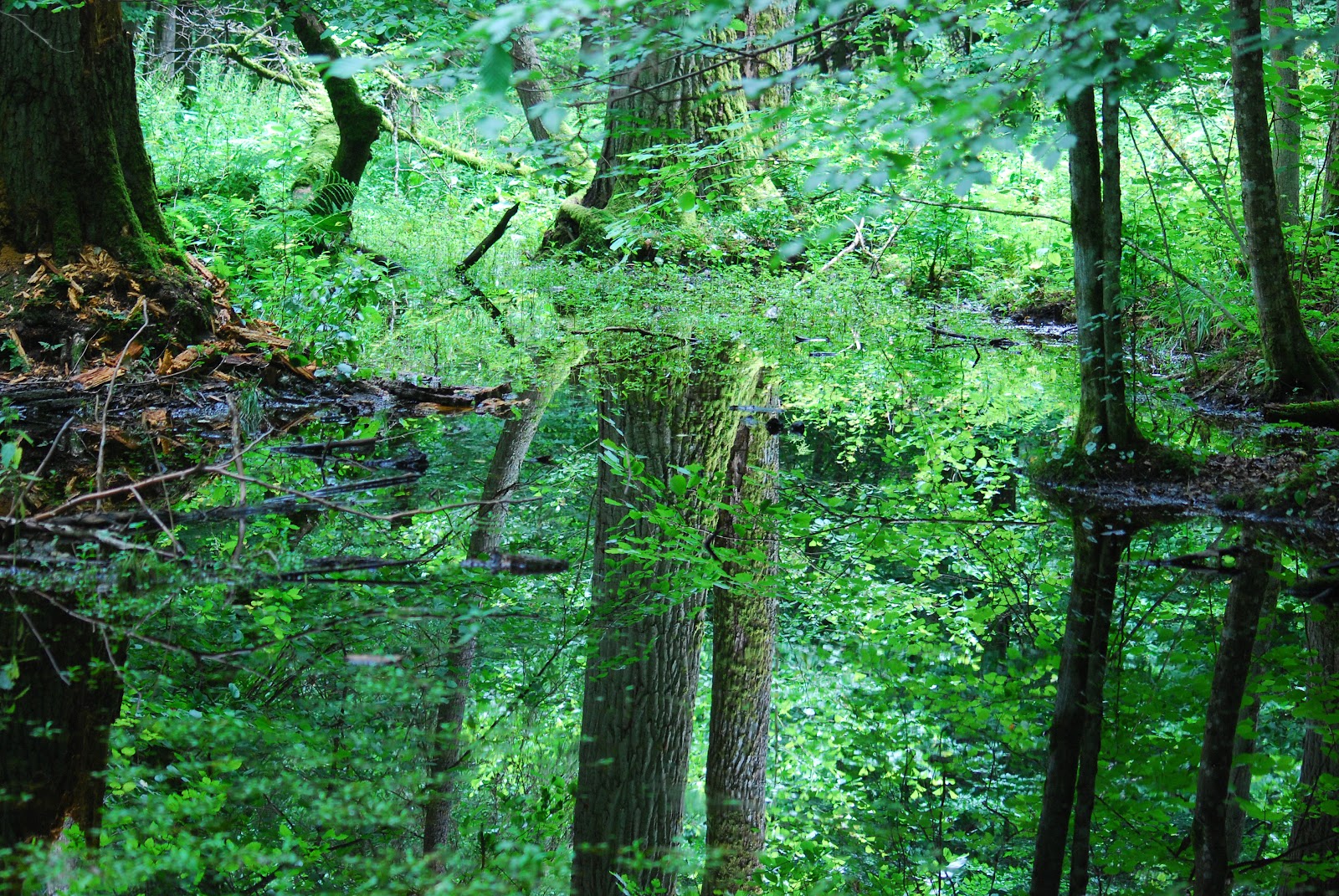
A perfect place for a quiet holiday, the park just asks for exploration. During my long walks, I spotted Orthodox churches, traces of abandoned villages, and First World War cemeteries – all nestled into the park’s stunning natural setting.
Easy access to spa towns such as Krynica-Zdrój or Iwonicz-Zdrój is the icing on the cake.
8. Ojców National Park
This park is a perfect destination for a day trip if you’re based in Krakow – it’s just 15 km away from the city!
A climber’s paradise, the park is full of interestingly-shaped limestone and sandstone formations – Hercules Club and Krakow’s Gate are the most famous ones every visitor should see.

The ravines, caves, valleys and deep gorges were all created by water. If you’re into cave exploration, the park is a perfect spot for you – it features almost 400 caves, while experts claim that there might be as much again undiscovered!
Adventurers should check out King Łokietek Cave. The name alludes to a legend about the Polish King Władysław Łokietek (meaning Elbow-high), whose height allowed him to hide from his enemies inside the cave complex. Add the remains of the medieval castle constructed in the 14th century and you got yourself a perfect mix of nature and history.
9. Słowiński National Park
You’ll find that park between Rowy and Łeba, right along the Baltic Sea. Słowiński National Park is known for the shifting sand dunes which can be explored on this private tour. As they move, they uncover a range of curiosities like the fossilized dead tree stumps that offer visitors a glimpse into the forests that once grew in the area.
In the park’s center, you’ll find the village of Kluki that houses the remnants of its former Kashubian population. The museum that traces the material culture of that small community shows how human settlements could enter into a symbiotic relationship with the surrounding nature – and maintain that relation until the post-war period.

Visiting Polish national parks was just as much about nature as it was about Poland’s culture and tumultuous history.
Each of these parks houses an impressive number of fauna and flora species as well as hiking trails with mesmerizing views, but what I found particularly interesting is how these areas reflect the social and cultural complexities of the multi-cultural social landscape that used to be part of Poland’s long history.
Jules Bukovsky is an independent traveler living in Poland, passionate about budget traveling, art and hiking; you can find more of her work at Discover Krakow where she is a guest blogger
Guest Post by Maxwell Donovan
Whenever people hear about Europe they immediately think of Paris. Very few know that there’s more to this vast continents than just Disneyland and great wine.
Lots of amazing attractions and places of interest are spread all around Europe. You just need to know where and when to go to see them. Eastern Europe in particular, boasts outstanding cities, and the array of things to do here is endless.
 Some of the finest places to explore are off-the-beaten path - the castles, secluded beaches, ancient cities, unusual natural phenomena, insane wildlife and remote lakes will make you forget all about “the city of lights”. Here’s a closer look at some of the most notable – but not that well-known – wonders of Eastern Europe.
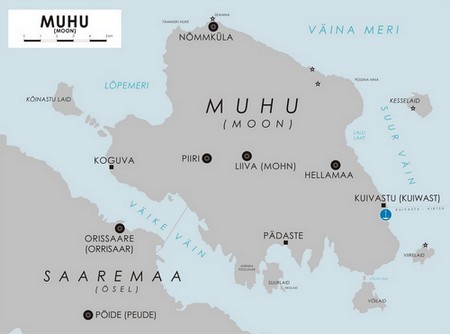
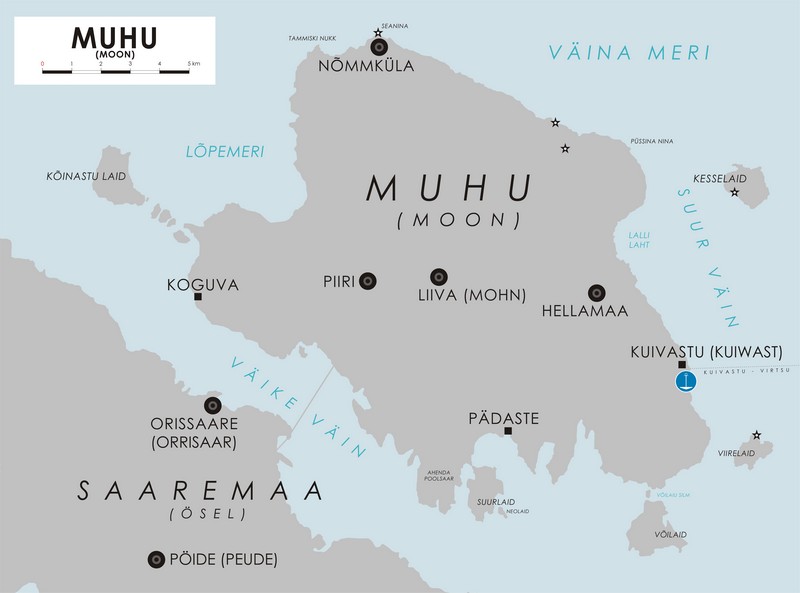
6. Estonia - Muhu Island
The tiny but enticing island of Muhu – which can only be accessed in winter through an iced road – is one of the best travel spots you can explore in Estonia.
Onsite, the thatched cottages, working windmills and old-fashioned allure of the place will make you go back to the 18th century. Only 2,000 people live on the island, and most of the locals still abide by centuries-old customs and traditions. This is exactly what makes Muhu an incredible destination.
Europe is the safest continent you can travel in, which explains why it is also the most popular tourist destination in the world. However, even in tourism paradise things can go wrong. Here's what to consider.
Cycling safety
In the opening of The Hidden Europe: What Eastern Europeans Can Teach Us, I praise Finland for its biker-friendly environment (you can download the chapter for free and read it for yourself).
However, while I was right that Finland is wonderful for biker safety, it's the Central/Eastern European countries that are the best overall.

Biking across Europe is fun. I've even recommended biking across El Camino de Santiago in Spain. However, you still might want get insurance for your bike and health insurance too. And buy a really good lock because bike theft is rife.
- 4 Hidden Gems in Croatia
- Top 5 Reasons Why You Should Visit Eastern Europe
- 7 Places in Eastern Europe I Dream About
- Is Eastern Europe Safe for Travel?
- Magic of Novi Sad, Serbia
- 22 Places and Things to See in Hungary
- Top 10 Beaches of Eastern Europe
- Getting Around in Slovenia
- CBS KPIX Interview on Bay Sunday Show
- Balkan Culinary Marvels
- Backpacking solo in Eastern Europe: Things You Should Know
- 3 Otherworldly Caves in Slovenia
- Oddities in Turkincha, Bulgaria
- Ukraine
- Moldova
- Romania
- Bulgaria
- Turkey
- Greek food and language in Thessaloniki
- Reasonably Priced Hotels in Dubrovnik
Your comment will be deleted if:
- It doesn't add value. (So don't just say, "Nice post!")
- You use a fake name, like "Cheap Hotels."
- You embed a self-serving link in your comment.